
Wedding restroom trailer behind a tree line
Weddings and receptions
A two-stall trailer with running hot water and vanity lighting, plus one accessible unit, set behind the tree line with lighting on a timer.
Trailer + ADA unit
Weddings · Festivals · Fairs · Corporate · Races
From a backyard reception to a forty-stall bank at a county fair. We read the permit, size the count, deliver on your schedule and pump overnight between event days, so the restrooms are the thing nobody mentions afterward.
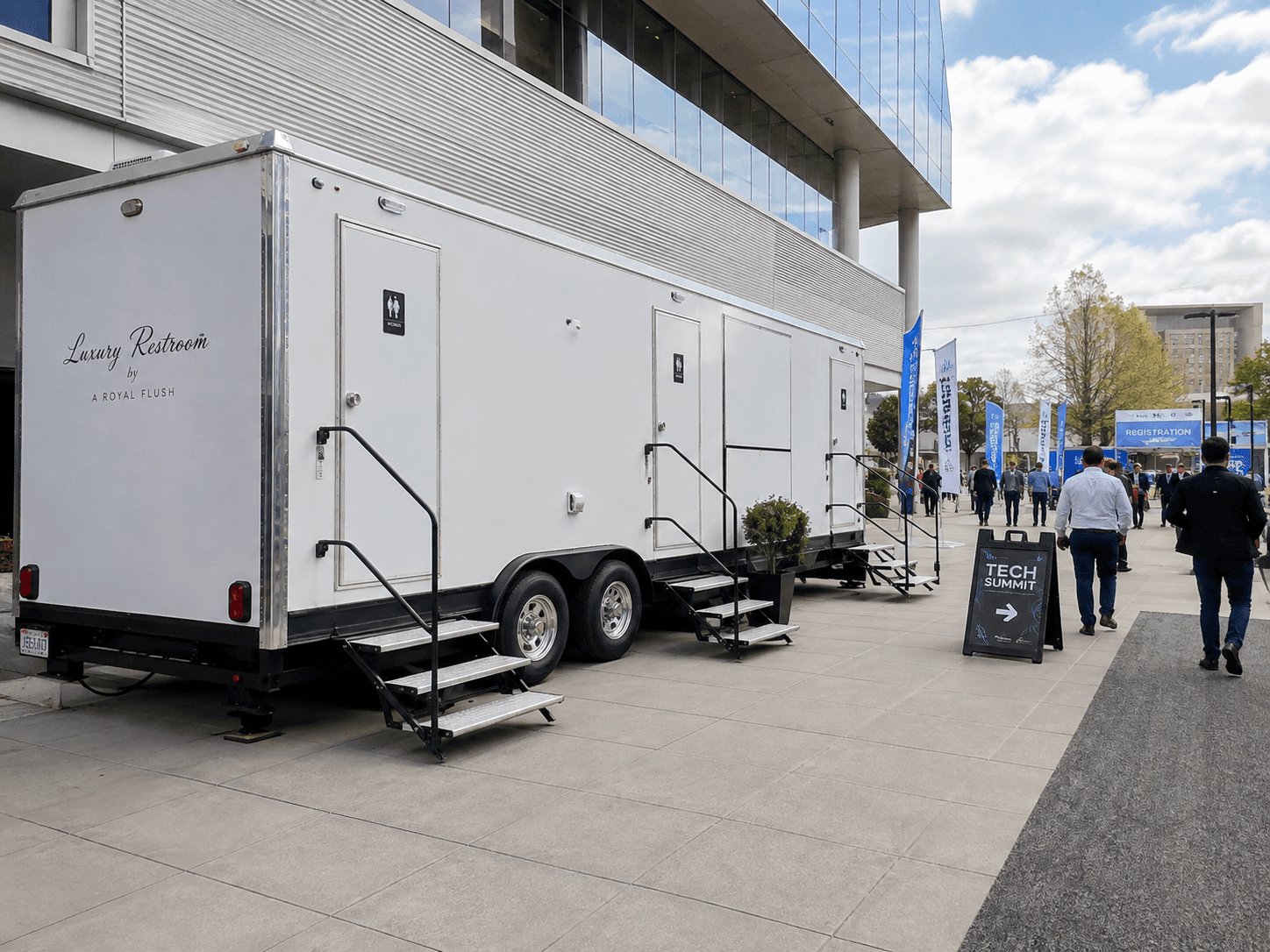
Private stalls, climate control, running hot water and real doors.
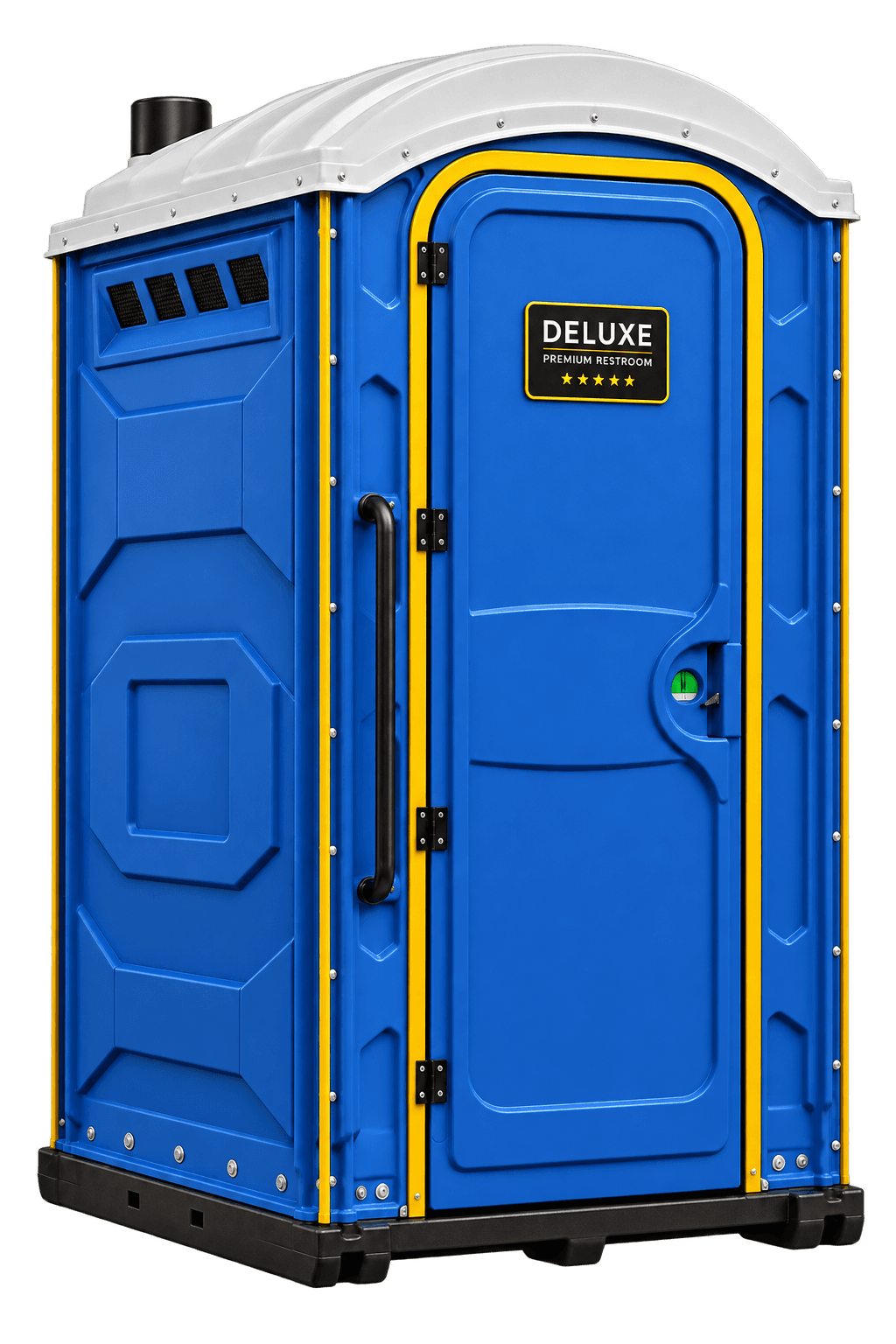
Flush, sink, interior lighting and a full-length mirror. Guest-ready.
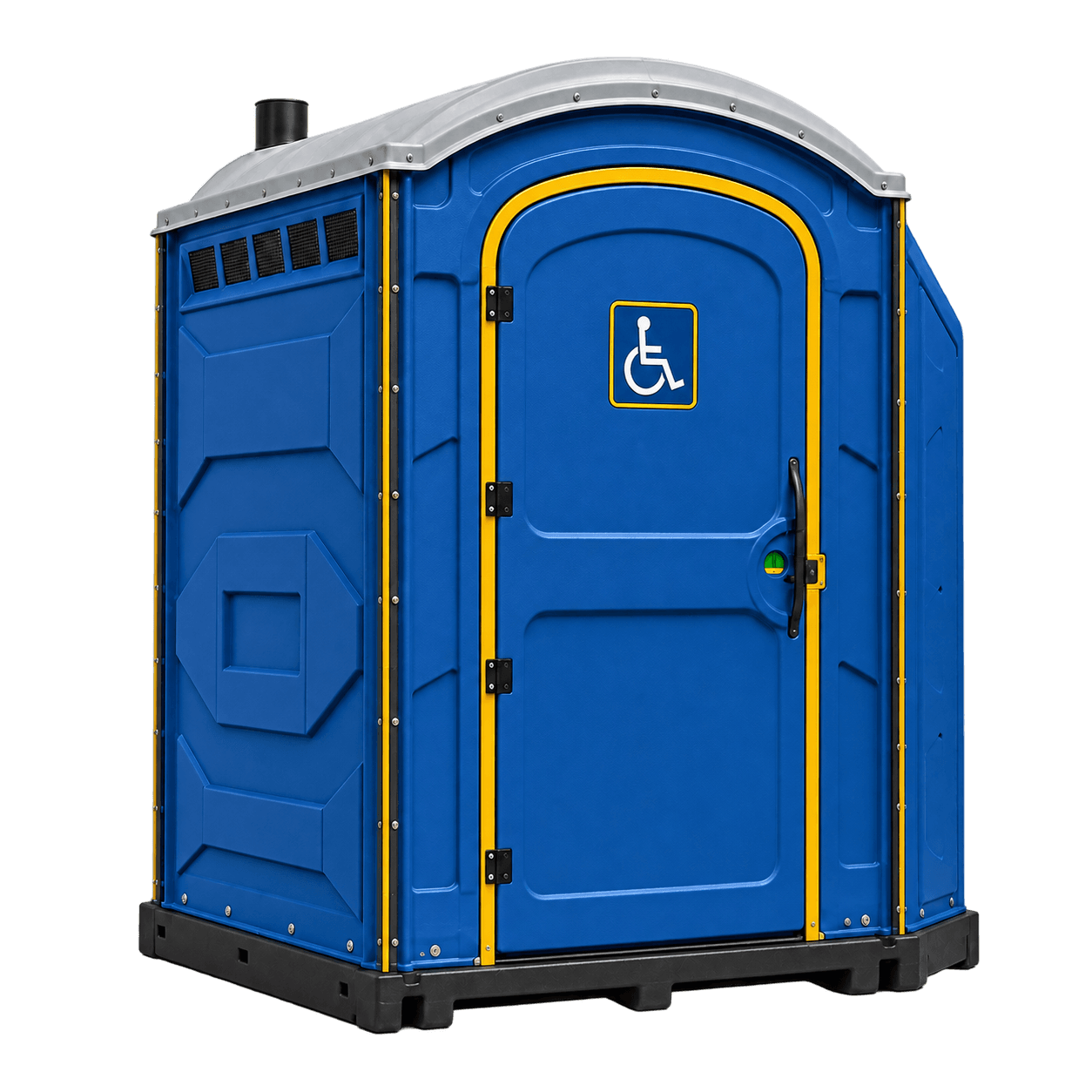
Ground-level entry and a 60-inch turning radius. Required to permit.
Two-bay, foot pump, soap and towels. Required wherever food is served.
A starting point. Call and we will adjust for run time, bar service, heat, and how far guests are willing to walk before they go looking for another option.
The baseline for a daytime event with food but no bar. Past four hours, add units rather than services.
Alcohol raises usage sharply and unevenly. Plan one unit per fifty guests and expect the rush after dinner.
At least five percent of units, never fewer than one, on any permitted public event. Some jurisdictions require more.
One two-bay station per two units, and one within reach of every food vendor. County health checks for it.
A 150-guest wedding and a 3,000-person street fair are not the same problem. We spec them differently and price them differently.
A two-stall trailer with running hot water and vanity lighting, plus one accessible unit, set behind the tree line with lighting on a timer.
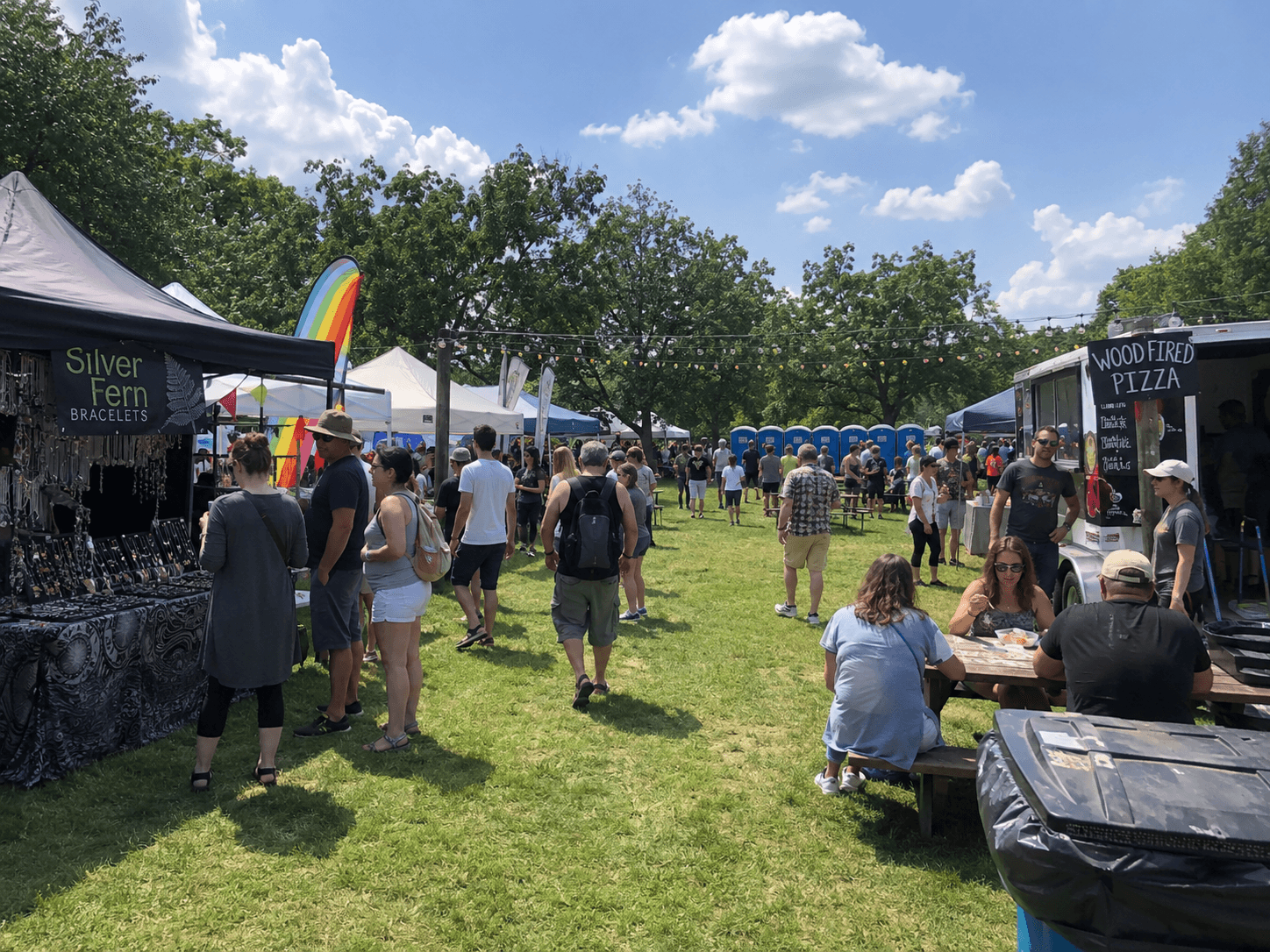
Units set in banks at the gates and the food court, ADA mixed in to permit percentage, pumped overnight between event days.
Heavy use in a narrow window. We front-load at the start line, hold units at the finish, and place along the course where the map allows.
What we have learned from weekends across the Sacramento Valley, condensed. If you would rather just be told, the phone works too.
Call Now For Free QuoteMost people underbook, and it always shows by hour three. The number that matters is not guest count alone, it is guest count multiplied by run time, then adjusted for bar service, heat and how far someone is willing to walk. A four-hour reception for 150 guests with a bar needs three stalls, not two. The difference in cost is small. The difference in how the evening goes is not.
Placement decides whether people use them. Units need a level pad and a truck path within about 25 feet, which usually rules out the spot you had in mind. We set banks facing away from sightlines and photography angles, with doors opening toward foot traffic rather than across it, and we light the path if the event runs past dark.
Multi-day events should be pumped overnight rather than serviced weekly. Between gates is the only window that works, and it keeps the second day looking like the first. For single-day events we service the units before they arrive and pick up the following business day.
Permitted public events carry conditions, including an accessible-unit minimum of five percent of the total and handwashing wherever food is served. We read those conditions with you before the order goes in, because the count is cheaper to fix on the phone than on inspection morning.
Anything not here, a dispatcher will answer on the first call.
Sacramento · Elk Grove · Roseville · Folsom · Davis · Woodland · Rancho Cordova