
Answered 24/7 · Units staged year-round · Net-30 for agencies
Same Day Emergency Porta Potty Rentals
Sewer line collapsed, water main broke, septic backed up, building lost occupancy. Call and a truck is loaded while we are still on the phone. Units go down in hours, not on Monday.
- Phone answered 24/7 — nights, weekends and holidays reach a dispatcher, not voicemail.
- Units staged, not ordered — we hold reserve stock for exactly these calls.
- Large orders in one drop — trailers of units for evacuations and utility outages.
- Agency billing — PO and net-30 terms for cities, districts and contractors.
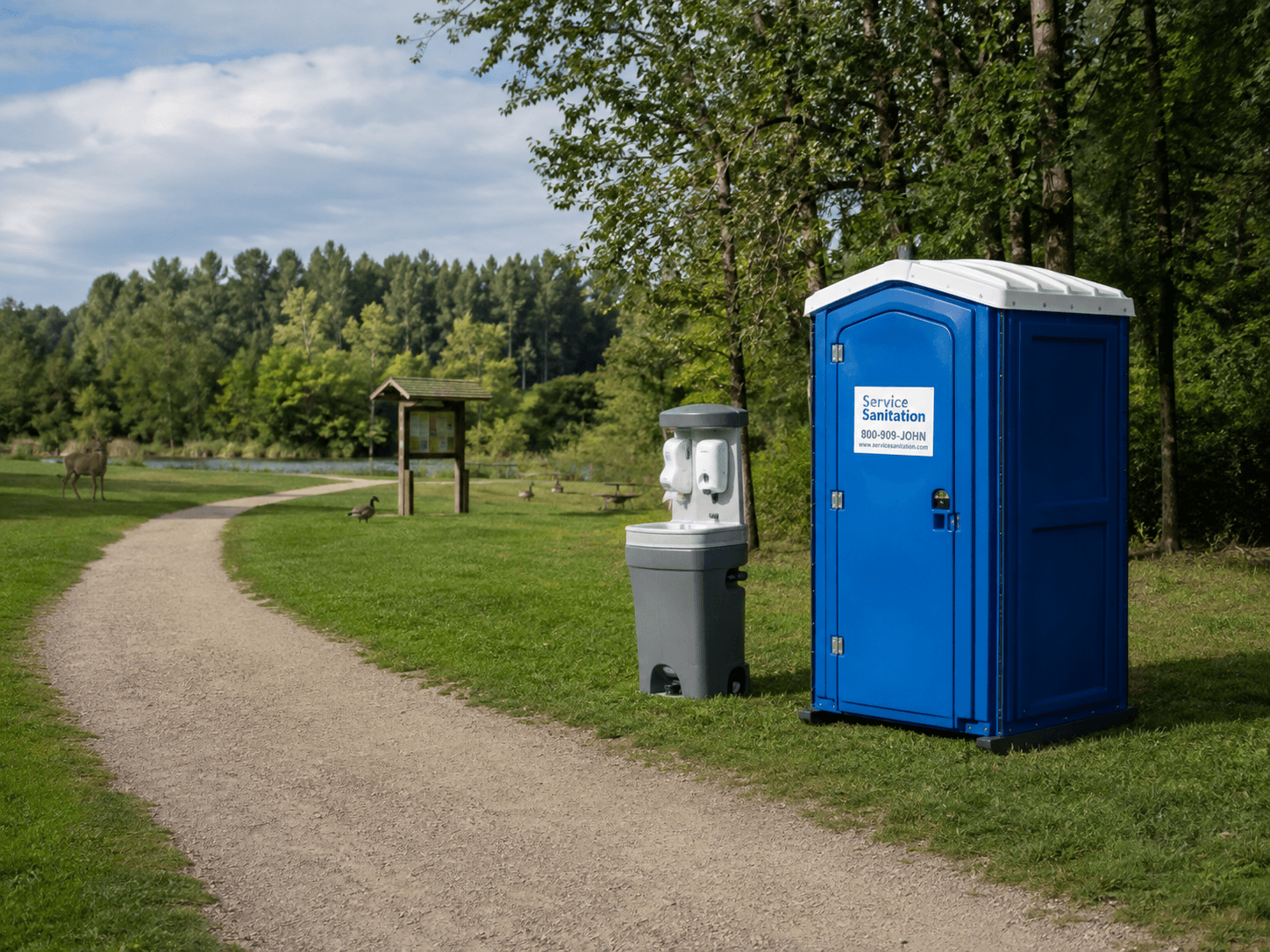
Units that go out the door first
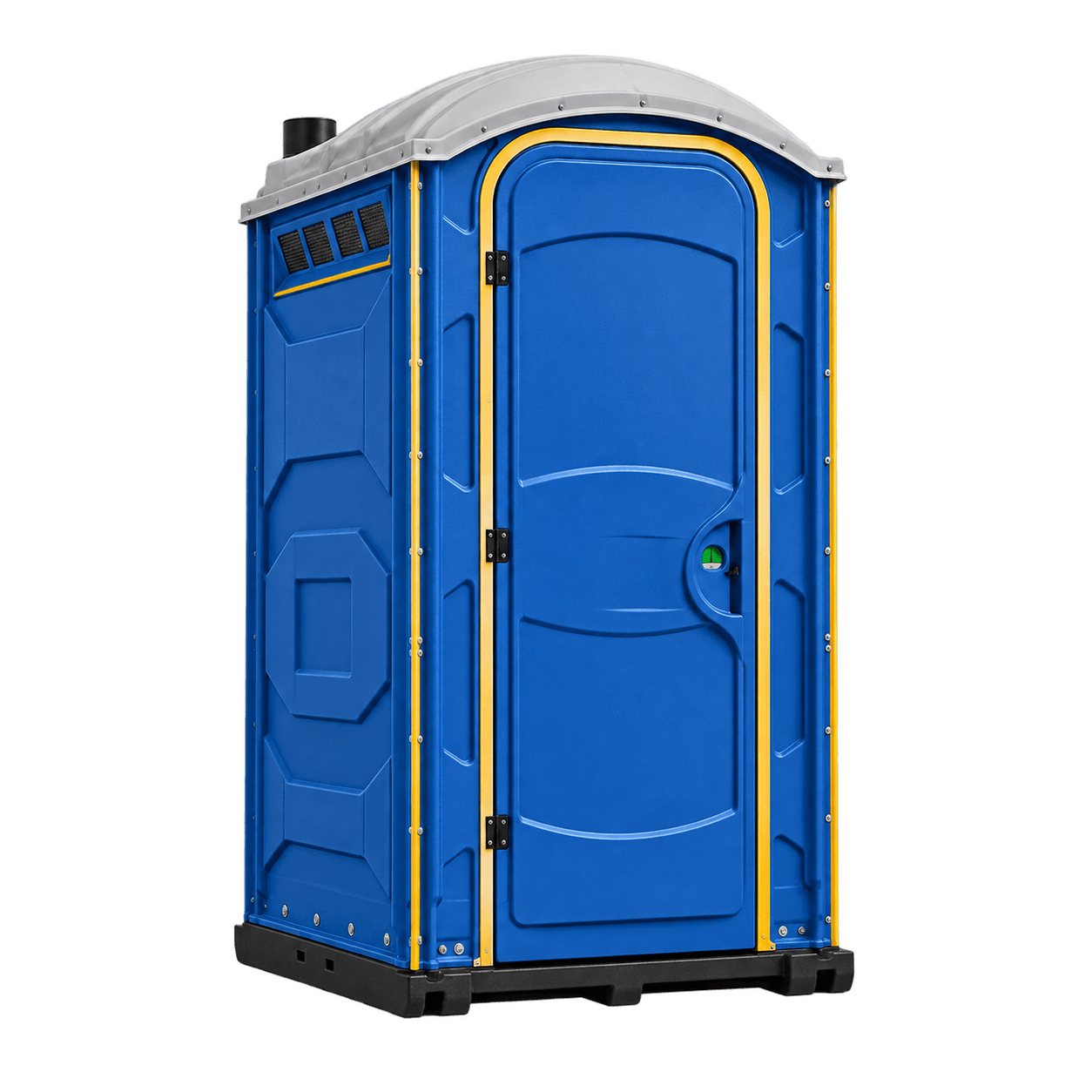
Fast to stage in volume. Non-flush, vented, lockable, and available in quantity same day.
Two-bay, foot pump, soap and towels. Non-negotiable on any placement the county will inspect.
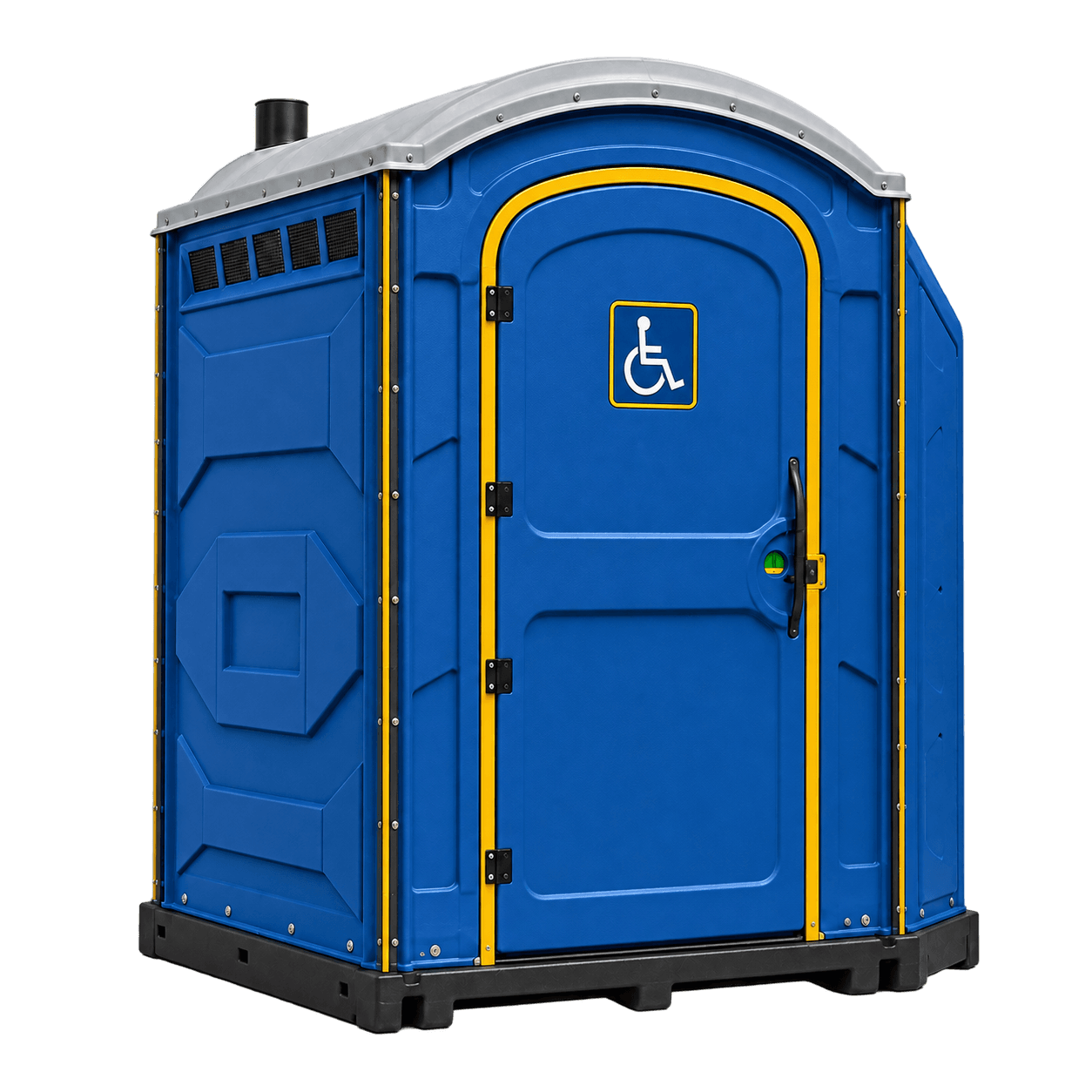
Ground-level entry and interior turning radius. Add it to the first order, not the second trip.
Two private rooms, hot water, flushing toilets. What a school or office needs for a long shutdown.
What happens after you call
Emergency work is a dispatch problem more than a rental problem. These are the numbers that decide how fast a unit is standing at your site.
Inside the Sacramento core, that is the window on a weekday. Outlying towns and 2am calls run longer. We give you a real number on the call, not a promise.
The line is answered around the clock. Nights, weekends and holidays reach a dispatcher who can put a truck on the road, not a message service.
A building offline needs roughly one unit per fifty people for a short outage, plus handwashing. Multi-day displacement needs more, and needs twice-daily service.
Bill one day if the plumber fixes it by dinner. Most emergency rentals run three to fourteen days and convert to a weekly rate if the repair drags.
Getting facilities back on a site the same day
What we have learned running emergency calls across the Valley, and what we will ask you when you phone.
Call Now For Free QuoteFour things cause almost every emergency call: a sewer lateral or main that failed, a water shutoff that pulled the building out of occupancy, a septic system that backed up, and fire or flood damage that closed a restroom wing. All four have the same shape. Somebody has people on site and no legal facilities, and the clock is running on an inspector, a shift, or a school day.
What we need from you is short. How many people, how long you think the repair takes, where a truck can park, and whether the site needs an accessible unit. That last one matters more than people expect. A public building, a school, or anything the county will look at needs at least one ADA unit in the order, and adding it after the fact means a second trip.
Volume changes the answer. One failed lateral at a restaurant is two units and a handwash station on the sidewalk, permit pulled the same day if it sits in the public right of way. A utility outage across a neighborhood, or an evacuation center, is a trailer load, and we run those out of reserve stock we hold specifically so an emergency does not compete with the week that was already booked.
Service is the part that gets forgotten. Emergency placements are used harder than jobsite units because everybody in the building is using them. Anything running more than three days should be on twice-weekly service at a minimum, and high-traffic public placements on daily. We set that schedule at delivery rather than waiting for a complaint.
Frequently asked questions
Anything not here, a dispatcher will answer on the first call.