
Cal/OSHA ratios · Weekly service · Crane-rated units
Construction Porta Potty Rentals in Sacramento, CA
One number for the whole build. We size the order to your crew, deliver the same day you call, and service every unit weekly without being asked, from the first grading pass through punch list.
- Same-day delivery — call and we'll tell you whether it lands today or tomorrow.
- Cal/OSHA compliant — we size the count and pair it with handwashing.
- Weekly service included — pumped, sanitized and restocked on a fixed day.
- Monthly rates for long builds — add and remove units as the crew changes.
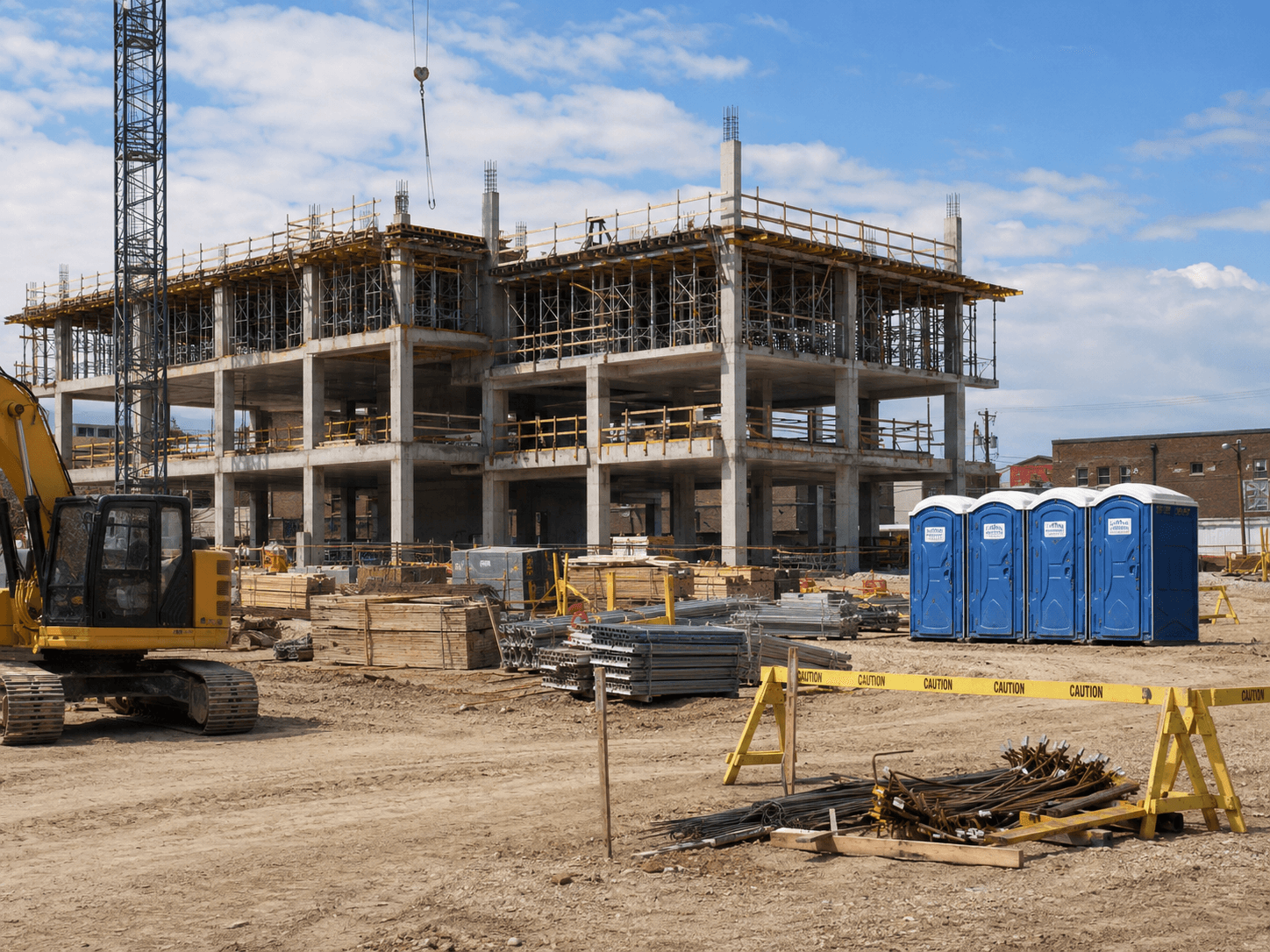
The units that hold up on a build
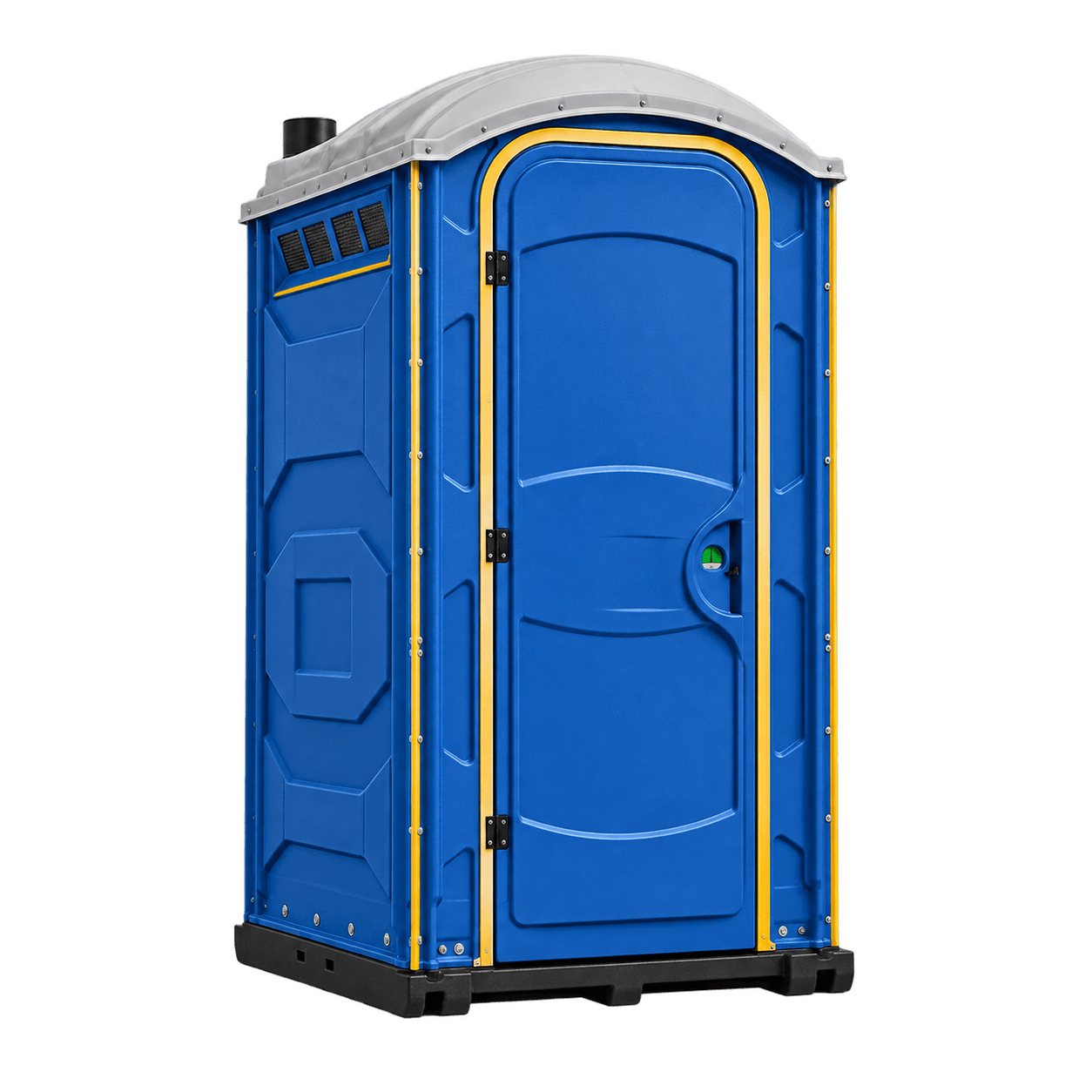
The baseline unit. Non-flush, vented, lockable, serviced weekly.
Two-bay, foot pump, soap and towels. Expected wherever toilets are.
Certified four-point lift eyes so it rides the crane with the crew.
Trailer-mounted for road, utility and linear work that moves daily.
What Cal/OSHA expects
A starting point, not legal advice. Send us the crew size and the schedule and we will size the order to the standard your inspector reads from.
One unit per ten workers on a 40-hour week, serviced weekly. Fewer workers, longer hours changes the math.
Handwashing must be available wherever toilets are provided. Most sites pair a two-bay station with every bank.
Facilities should be within a reasonable walk of the work face. On large sites that means several placements, not one.
Public-facing and permitted sites carry an accessible minimum. We flag it before the order goes in.
Getting the count right on a jobsite
What we have learned from routes through Sacramento Valley builds, condensed. If you would rather just be told, the phone works too.
Call Now For Free QuoteMost people underbook. The number that matters is not headcount alone, it is headcount multiplied by hours on site, then adjusted for heat and how far someone is willing to walk. Ten workers on a 40-hour week is one standard unit and a handwash station. Twenty workers running ten-hour shifts through a July heat wave is a different order, and pretending otherwise shows up as a complaint by week two.
Placement is the second thing. A unit needs a level pad and a truck path within about 25 feet. Set on a slope it will not drain, and set behind a locked gate it will not get serviced, which means the driver leaves and you get billed for the trip. On large sites we split the order into two or three placements rather than one bank, because a facility nobody will walk to is the same as no facility at all.
Weekly service is the standard and it is included in the rate. Sites running above the standard ratio, or through a stretch of hundred-degree days, should be on twice-weekly instead. If usage runs harder than expected mid-week, call and we will add a service at the same rate.
On long builds, put it on a monthly contract with a fixed service day. Units get added and removed as the crew count moves without new paperwork every time, and your super stops thinking about it entirely, which is the actual goal.
Frequently asked questions
Anything not here, a dispatcher will answer on the first call.